



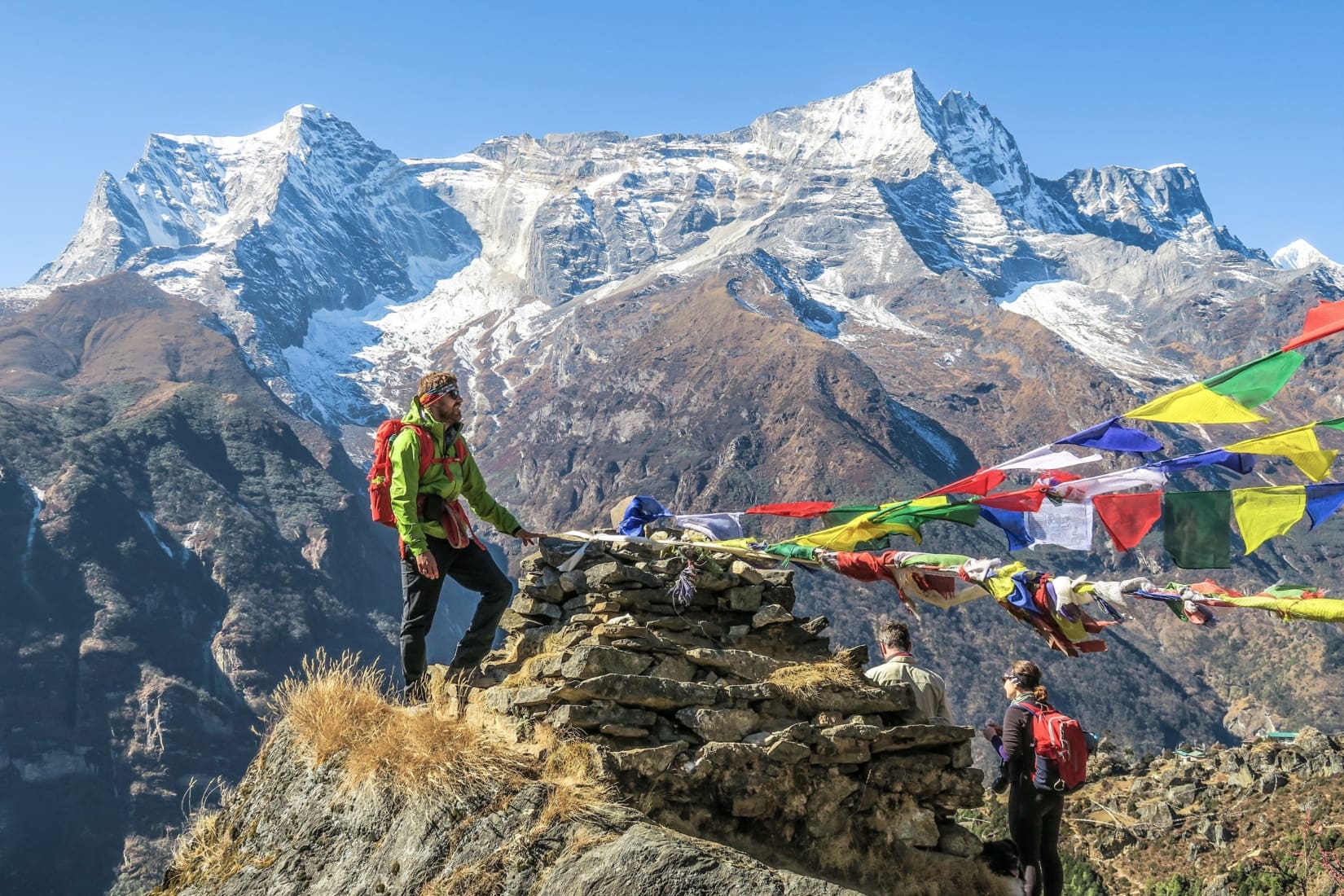
The Everest Base Camp Trek is one of the most famous, popular, and adventurous trekking and hiking experiences in the world. Located in the Nepalese Khumbu region, the journey goes through diverse landscapes, ranging from dense subtropical forests to the beautiful alpine meadows, and finally brings you to the foot of the world’s highest mountain, Mount Everest. This trek provides not just breathtaking views of the world’s highest mountain but also an intense cultural experience as it traverses through traditional Sherpa villages where Tibetan Buddhist practices remain firmly intact.
The hike, which winds you up and down peaks throughout the Himalayas, typically takes 12-14 days with a 130 km distance (80 miles) and the highest point at Everest base camp, 5,364 meters (17,598 feet). Trek Difficulty The trek is moderate to hard, and the higher altitudes mean that you will have to acclimatize so as not to suffer from altitude sickness, which is a concern on this trek. The treks are divided into stages, and rest days are built into allow your body to acclimate to the thinning air.
The first factor to consider when planning the Everest Base Camp Trek is physical fitness. It doesn’t require technical climbing abilities, but trekkers need to be in good physical shape, as the trail includes steep ascents and descents, particularly in the upper reaches. Cardiovascular endurance, leg strength, and endurance are key, so simulating trekking conditions with regular hiking or long-distance walking while carrying weight in a pack can also be beneficial. Regular pre-hike training in the months before your trek will allow you to increase your physical strength for the high altitude.
You’ll realise the importance of packing smart for this trek as it will dictate your comfort and safety. Wear appropriate footwear -Good, waterproof trekking boots with ankle support are essential, as the path is stony and slightly slippery and uneven in places. And you always have to layer clothes. Moisture-wicking base layers, a warm insulating layer, and a windproof outer shell are crucial for maintaining comfort in the cold and as you climb toward higher elevations. It’d also be a good idea to bring your best sleeping bag, trekking poles, and a set of water purification tablets to help your trek along.
Altitude sickness is something that needs to be taken very seriously on this Everest Base Camp Trek! The trek’s gradual ascent lessens the risk, but listening to your body is never more important. Symptoms of altitude illness include headache, dizziness, nausea, and shortness of breath. If such symptoms appear, go down to the lower elevation immediately. Going back to the basics, one of the best ways to avoid altitude sickness is by staying hydrated, meaning you need to be drinking litres of water as you go along the trek. These acclimatization days are intentionally put into the itinerary to let your body get used to the high altitude, so you should never skip them.
The trek is also a journey through culture. Along the way, walking through Sherpa villages including Namche Bazaar, Tengboche, and Pheriche, you will find prayer flags, monasteries, and beautiful old Tibetan-style buildings. The Sherpas are strong and experienced, and very friendly, sharing many things about the history and traditions of the area. Many Physiological Reflection Tengboche Monastery is a makeshift way to tranquility, which is loved by many a trekker going on this journey.
You’ll be amazed along the way with views of the surrounding mountains. The summit views of Mount Everest, Lhotse, Nuptse, and Ama Dablam are some of the most stunning you’ll see. Every day that you trek, you get a new look at the massive peaks, and as you get closer to Everest Base Camp, you feel like you’re getting somewhere and standing in the shadow of one of the most challenging mountains in the world.
The logistics of the Everest Base Camp Treks are very important. The majority of trekkers fly into Lukla from Kathmandu, because this is where the trek begins. Lukla flights can be delayed because of weather conditions, so it is best to have flexibility in your schedule. Once in Lukla, you start the trek, and most of the overnight accommodation is at tea houses, which are basic but comfortable. There, they get a hot meal, and they get shelter, and they get some respite. And though Wi-Fi and electricity are available in some places, let’s just say as you go up the trail, creature comforts become less and less.
Summing up, the Everest Base Camp Trek is not just about being physically exhausted; it’s a life-changing experience with the riches of natural beauty, cultural penetration, and inner satisfaction. With the proper planning (both physical and logistical), you can have a fulfilling experience in one of the world’s greatest natural crucibles. Whether it’s the draw of the mountains, the challenge of high-altitude trekking, or the chance to explore a region so rich in culture and history, the trek to Everest Base Camp is an adventure that will remain in your memory for years to come.
Overview of the Everest Base Camp Trek
The Everest Base Camp Trek, one of the world’s most famous treks, ventures deep into the heart of Nepal’s Khumbu region, also known as the Sherpa country, going right up to the base of the world’s highest peak, Mt. Everest. Not only is the 7 – 10 day trek famous for its breathtaking views of some of the world’s tallest and snow-covered mountains, but it also provides a meaningful cultural experience, rich in the traditions of the Sherpa people who are considered native to the area. The trek takes about 12-14 days to complete, at a length of approximately 130 kilometers (80 miles) and an altitude of 5,364 meters (17,598 feet) at the base camp. It’s a demanding trek that requires a good level of physical fitness because the altitude can be hard on some trekkers, and acclimatization is important for health. The trek also traverses Sherpa Villages, monasteries, and the stunning scenery of Mt. Everest, Ama Dablam, and Lhotse. It’s a gruelling journey as much as it is rewarding, and standing at the iconic base camp is a feat in and of itself. It’s more than just a physical challenge; it’s a great opportunity to experience the majestic Himalayan landscape and culture, which is the reason why the Everest Base Camp Trek is one of the most popular treks in the world.
When to go trekking?
The optimum time to trek to Everest Base Camp is in the pre-monsoon (f) and post-monsoon (a) periods. These two months are the most stable months with the best weather for trekking in the entire Everest region. Spring (March-May) provides the mild temperatures and clear skies needed for trekking. The hiking trail is lined with flowering rhododendrons and offers the finest view of Mount Everest and the surrounding peaks. The end of the monsoon season, Autumn, September – November, is also a great time for trekking with clear skies, cooler weather, and dry trails. It is especially popular this season, as the weather is clear and the view of the mountains is good. There is also pleasant weather at the lower altitudes and cool nights higher up. Alternatively, during the summer/monsoon season (June – August), you should try to stay away as heavy rains on one hand would increase the possibility of landslides and slippery trails, and on the other, low visibility for long periods. Late winter (December to February) is also feasible but cold and harsh, especially in higher altitudes, so it is less ideal for most trekkers.
Body Preparation and Health Approach
Mount Everest Base Camp Trek You need to be physically prepared to conquer your Everest Base Camp Trek. The hike is a long, high-altitude affair, so you will need to build both cardiovascular stamina and leg muscle strength. Begin doing some regular aerobic exercise like running, cycling, or swimming to increase your endurance and general fitness. Shoot for 3-4 times per week of cardiovascular activity. You’ll also feel the burn in your legs, as there are some challenging up- and downhills. Add hill repeats, stair climbing, or loaded hikes to your regimen to imitate the demands of the trek. In addition, exercises that strengthen your core, like planks or squats, also aid balance and posture during the hike. To better acclimate to high elevations, hike at elevation, if possible, or use a stair machine or treadmill set at an incline. It’s also important to practice with a backpack and some weight to get your body used to carrying your gear during the trek. Stretching exercises may aid in reducing muscle pain, and also make sure to rest days should be added to avert overtraining. Last, continue training — and make sure you are in top condition when your trek starts.
Gear List and Packing Guide
When hiking the Everest Base Camp trek, it’s important to have the right gear to stay comfortable and safe. Weather can turn ugly in an instant, so pack a dress for layering. Begin with moisture-wicking base layers to wick sweat away from the skin, an insulating layer to keep warm, such as a fleece or down jacket, and an outer waterproof layer to shield against wind and rain. You’ll want sturdy, waterproof hiking boots with plenty of ankle support on the rocky and often uneven trail, as well as gaiters to keep debris from getting into your boots. Trekking poles are helpful for stability on steep, uneven terrain. We’ll also need a warm (rated for cold weather, approximately -10°C or 14°F) sleeping bag, as the nights can be freezing at elevated altitudes. Bring hydration: water bottle or hydration system, and water purification tablets for refills. Also, take sunscreen, lip balm, sunglasses, and a headlamp in case you’re staying out late. A first-aid kit with basic items like altitude sickness medication, pain relievers, and antiseptics can be crucial. And of course, don’t leave home without any important documentation, such as your permits, travel insurance, and a power bank for keeping any electronic devices charged during the trek.
About the Trek –Route Explained , Words for the Wise –Challenges of the Trek
The Everest Base Camp is a trip to a legendary place in the world of the highest mountains at the roof of the world, but also a trip that leads through various terrains and problems due to altitude. The journey starts in Lukla, where you can board a (small and unsafe) plane from the Nepali capital of Kathmandu to the local airport in Lukla. From Lukla, the path climbs slowly, passing Sherpa villages such as Phakding and Namche Bazaar, alongside the sidewinding Dudh Koshi River. Higher still, the scenery becomes more alpine, and meadows give way to the dead, rocky ground of Gorak Shep and Everest Base Camp.
The trek is very doable, and the altitude is the only real obstacle. You reach an altitude of more than 5,000 meters (16,404 feet) on the journey, and the air gets thin enough to induce altitude sickness. Acclimatization is key, and rest days are built right into the itinerary to help trekkers adjust along the way. The Lobuche Pass and Kala Patthar sections are physically demanding parts that provide great views of Everest and the surrounding peaks, but are also tough on the legs. Weather may also change abruptly, with potential for snow or rain occurring in the higher elevations. This is a strenuous but rewarding trek that is achievable by competent walkers who are comfortable with the physical activity of hiking and high altitude.
Altitude and Acclimatization: How to Stay Safe
Altitude and acclimatization are probably one of the single most important things to know about the trek to Everest Base Camp. Beggars would hand special gifts to all the passing trekkers, since the newly affluent villagers don’t seem to enjoy the same level of attention as the trekkers, who risk getting altitude sickness due to a lack of oxygen at Everest Base Camp, towering to over 5,000 meters (16,404 feet) above sea level. This can happen to anyone, regardless of their level of fitness; symptoms might include headaches, dizziness, nausea, and shortness of breath. To help prevent this, it’s important to take it slow and give your body time to adjust.
The rule of thumb is not to gain altitude more than 300-500m a day beyond 3,000m. Making certain you add rest days to your schedule will also help you adjust to the altitude. Popular resting grounds are Namche Bazar and Dingboche, where trekkers can linger an extra day to acclimate themselves before pressing on for higher climes. Hydration is especially important in reducing the risk of altitude sickness, so be sure to drink plenty of water and avoid alcohol. If your altitude sickness symptoms become severe, the only way to cure them is to go down to a lower elevation pronto. By listening to your body and using good acclimatization protocol, you can reduce the odds dramatically and have a safe trek!
Permits and essential Trekking documents to take with you
Himalayan Base Camp Trek There are certain permits and paperwork you need to have done before starting the Everest Base Camp Trek. The trek passes through government-protected areas, and so trekkers must obtain a series of permits before setting out. One compulsory permit is the Sagarmatha National Park Permit, used to preserve the environment and animals. Also, trekkers must have a TIMS (Trekkers’ Information Management System) card to ensure their security and safety.
Both permits are issued in Kathmandu by the Tourism Ministry or a licensed trekking agency. The Sagarmatha National Park Permit usually costs about NPR 3,000 (USD 30) while the TIMS card is about NPR 1,000 (USD 10). It’s also essential to have a valid passport and a copy of your travel insurance, which can be required by authorities. Be sure to keep your permits with you at all times – they are checked at several checkpoints along the trek. With all proper permits, you will be on the right side of the law and able to access trails and the facilities in an above-the-board manner.
Tea houses and Lodges on the Way
The local teahouses, which are the main accommodation on the Everest Base Camp Trek, are often an interesting aspect of the trek! These homey guesthouses are family-run and provide simple but comfortable rooms with beds, blankets, and shared bathrooms. The lodgings may not be plush, but they are a welcome respite for trekkers at the end of a long day of hiking. Teahouses are of varying standard, with lower-altitude villages (e.g., Namche Bazaar) near Lukla more likely to have more modern facilities, and higher-altitude accommodations more basic.
The teahouses offer a substantial menu serving traditional Nepali dishes such as dal bhat (lentil soup combined with rice) and momo (dumplings), and a smorgasbord of Western flavours, such as pasta and pancakes. Hot showers are also available at many teahouses, for a fee. You know trekking season is high time to get rooms, so arrive early in the villages to stay. Teahouses can be warm and cozy, but keep in mind that you will begin to lose more modern amenities like electricity and Wi-Fi as you gain in elevation, so it is best to manage expectations and embrace the simple beauty of teahouse life as part of the experience.
Cultural Immersion and Local Interaction
The Everest Base Camps is a trekker’s experience of cultural immersion; you will meet the Sherpa people and get a chance to live and know their customs, culture, values, tradition, and warm welcome. The Sherpas, who are known for their mountaineering prowess and deep relationship with the mountains, live in isolated villages like Namche Bazaar, Tengboche, and Pheriche. They practice Tibetan Buddhism , and their houses and monasteries tend to be decorated with prayer flags, mani stones, and other elements of Buddhist culture.
You will have the opportunity to stop at Tengboche Monastery, one of the region’s most significant spiritual sites, where monks perform prayer ceremonies and rituals. The Sherpa have a reputation for friendliness and hospitality, with many quick to stop and chat or offer assistance on the trail. Most of the villagers know a little English, and the exchanges offer an opportunity to find out about their lives, traditions, and close relationship with Mount Everest. Paying due regard to their culture, for example, by saying “Namaste” and thanking them for their hospitality, greatly adds value to the trekking experience. Some trekking companies also have cultural programs available, including lessons on Sherpa life and living conditions.
Safety, Health Tips, and Emergency Guidelines
Much like everything else in this world, during the Everest Base Camp Trek, it is important to prioritize health and safety. High-altitude locations pose possible hazards, but they can be mitigated if you take due care. The chief risk is altitude sickness, which can strike anyone above 2,500 meters (8,200 feet). The key is acclimatization, so make certain too that you follow a measured ascent and even have rest days to let your body acclimatize. And it can be lifesaving to have a first-aid kit and be somewhat familiar with basic treatment for altitude sickness.
It’s also crucial to stay hydrated and not to overexert yourself. The symptoms of altitude sickness can be worsened by dehydration and tiredness, so stay hydrated by drinking plenty of water and taking regular breaks. Ensure you pack enough medicines, including painkillers, anti-nausea pills, and altitude sickness medication such as Diamox.
If you have a medical emergency, there are med-rescue choppers available in the region of Everest, but getting evacuated can cost you. Having travel insurance covering emergency evacuation and medical costs is essential. In some places, medical facilities may be scant, so you might also consider bringing a portable tank of oxygen, as well as a basic understanding of first aid. Last but not least, being careful and knowing your limits comes first when being safe on the hike. And remember: Listen to your body, and talk to a doctor if you feel sick.
How to Prepare for the Mount Everest Base Camp Trek?
Everest Base Camp Trek Cost It takes a good amount of strength training and planning to prepare for hiking to Mount Everest base camp. Physically, there are 12-14 days of trekking at high altitude, with long days on the trail, and your body needs to be prepared for that. You should begin training 2-3 months before your hiking trip with an emphasis on building your cardiovascular endurance and leg strength. Bike, swim, run, and lift weights to strengthen your legs for skiing up and down the steepest mountains. Go for hikes with a weighted backpack to replicate trekking.
Aside from getting yourself in shape, ensure you are acquainted with the required paraphernalia. You’ll require good-quality trekking boots, layered clothing (for cold or hot weather), a sleeping bag (preferably with an inner liner), and trekking poles (for support and stability). More of the must-haves: Water-purification tablets, first-aid materials, and sunscreen. If you can, go for hikes at higher elevations to acclimate your body to low oxygen in advance of the trek. Finally, get your paperwork in order — you need to have permits such as the Sagarmatha National Park Permit and a TIMS card for the trek. Your flights to Lukla, accommodations, and guide (if required) are also key logistics.
Do I Need a Guide for Everest Base Camp Trek?
The Everest Base Camp Trek is a well-trodden route, but does that mean you need a guide for it? A trek guide is not compulsory but is extremely advisable, in particular if you are hiking as a first-timer and if you don’t know the area. A guide can lead the way, so you don’t get lost; they have local knowledge of culture and history, and their local salary means they are not incentivized to pressure you into or out of spending money. They can also arrange permits for you and assist in case of altitude sickness or other medical issues.
For less experienced trekkers, it’s doable without a guide, BUT there’s no comparison with the experience with a local guide who will have so much local cultural knowledge and landscape history to give you. Other reasons include logistics (booking teahouse accommodation, addressing the unexpected), and a guide may assist with them. If you’re hiking without a guide, at least go with a porter; he’ll be able to keep you company as well as do the hard lifting.
How Fit Do You Need to Be to Do Everest Base Camp?
The Trek to Base Camp Mount Everest is classified as a moderate trek, and you must be in decent physical condition to accomplish it. You don’t have to be a world-class athlete, but you should have a base level of fitness. You should be prepared for long days of walking, up to 6 to 8 hours a day, on occasion, over steep and rough terrain. Endurance is very important, so exercises such as running, swimming, or biking can help build stamina. Leg strength is key too, especially for tackling periods of incline, so consider adding hill work or stair climbing.
Although the hike isn’t technical, the altitude is the toughest part, so ask about training at altitude when not having any luck in the Rockies! Acclimatization is crucial to coping with the high-altitude environment of the Everest region, so preparing your body for a slow climb to avoid altitude sickness and having the stamina to take on altitude are both important. The better your physical condition, the less stress the journey will be on your body, and the more time you’ll have to acclimate to thin air, lowering the chance of altitude sickness.
What Precautions Should You Take While Going to Everest Base Camp?
The EBC Trek traverses through high altitudes, challenging weather conditions, and tough terrain , and it is necessary to take all the precautions to ensure a safe and pleasant trip. The best way to avoid altitude sickness is to properly acclimate to the altitude. Ascend slowly and take rest days at stopping points, such as Namche Bazaar and Dingboche, to give your body time to adapt to the waning oxygen levels. Don’t rush acclimatization: it is the only defence against altitude sickness.
Keep yourself watered during your journey, dehydration can increase the risk of altitude sickness. Eliminate alcohol and tobacco, as these may hinder your ability to acclimate. It’s also important to have the right gear, such as strong trekking boots, layered clothing (because the weather conditions can change rapidly), a good sleeping bag, and protection from the sun (sunscreen and sunglasses).
Pack a first-aid kit with basic medicines for altitude sickness, pain, and so on. Bring enough money for emergencies or last-minute stock-ups; ATMs are rare up in the high climes. Travel insurance that includes high-altitude trekking and emergency evacuation is also essential. Finally, as always, pay attention to your body—if you begin to experience signs of altitude sickness, descend right away. By taking those precautions, you can ensure a safe and comfortable trek.


