

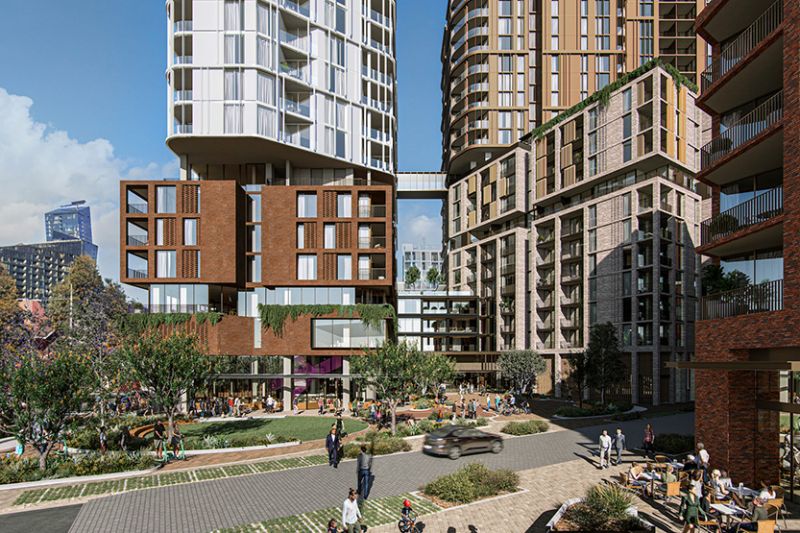
The large-scale Erskineville precinct development by Coronation Property is emerging as one of Sydney’s most significant urban renewal initiatives, designed to deliver more than 1,300 build-to-rent homes alongside mixed-use spaces and green public areas. The project reflects a growing demand for high-quality rental housing integrated with lifestyle-driven infrastructure.
Below is a structured, statistics-informed overview of the project in a question-and-answer style format, presenting key insights in a professional and accessible way.
What is the Erskineville development project about?
The Erskineville project is a major urban transformation initiative converting a former industrial site into a modern residential precinct. It focuses on creating a long-term rental community through a build-to-rent model, where professionally managed apartments are retained for rental purposes rather than individual sale.
The development is designed to deliver over 1,300 rental homes within a master-planned neighbourhood that blends residential living with retail, wellness, and open public spaces.
Why is this project considered significant in the housing sector?
This development stands out due to its scale and integrated planning approach. With an estimated value of over $2 billion, it represents one of the largest build-to-rent initiatives in Australia.
The project is not only focused on housing supply but also on improving urban liveability. It includes thousands of square metres of landscaped parks, pedestrian-friendly connections, and shared community facilities designed to support long-term resident wellbeing.
Such scale-based developments are increasingly viewed as a solution to housing shortages in major cities, especially where rental demand continues to rise.
How does the build-to-rent model benefit residents?
The build-to-rent model introduces a professionally managed rental system that enhances consistency and service quality for tenants. Instead of fragmented ownership, residents benefit from streamlined maintenance, on-site management, and purpose-built amenities.
This structure is designed to create stability in the rental market by offering long-term leasing options and improved tenant experiences. It also supports community building, as residents are part of a single managed ecosystem rather than short-term investment-driven housing cycles.
What kind of infrastructure and amenities are included?
The precinct is designed with a strong focus on lifestyle integration. It includes:
- Large-scale green open spaces and parklands
- Retail and dining precincts for daily convenience
- Wellness and recreational zones
- Pedestrian and cycling connectivity
- Communal rooftop and shared social areas
The inclusion of approximately 7,000–7,500 square metres of parkland highlights the importance placed on environmental balance within high-density living.
How does the location add value to the development?
The project’s location in Erskineville provides strong connectivity advantages. Situated close to Sydney’s CBD and major transport corridors, it offers residents easy access to employment hubs, education institutions, and healthcare facilities.
This proximity makes the development highly attractive for working professionals, key workers, and families seeking urban convenience without sacrificing residential comfort.
What economic and employment impact does the project create?
Large-scale developments of this nature contribute significantly to the broader economy. During construction and operational phases, the project is expected to generate thousands of direct and indirect jobs.
These include employment in construction, engineering, architecture, retail operations, property management, and community services. The economic flow-on effect supports local businesses and strengthens the surrounding urban economy.
How does the project support affordable housing needs?
A portion of the development is dedicated to affordable rental housing, specifically targeted at essential workers such as healthcare staff, teachers, and emergency service professionals.
This inclusion ensures that housing diversity is maintained within the precinct, supporting social balance and accessibility in one of Australia’s most expensive rental markets.
What makes this project different from traditional residential developments?
Unlike conventional housing projects that focus on selling individual units, this development is structured for long-term rental ownership and professional management.
It integrates residential, commercial, and public spaces into a single coordinated plan, rather than treating them as separate components. This approach improves urban efficiency, enhances resident experience, and supports sustainable city growth.
Conclusion
The Erskineville build-to-rent development represents a forward-looking approach to urban housing, combining scale, sustainability, and lifestyle-focused design. With its integration of thousands of rental homes, public green spaces, and mixed-use amenities, the project reflects a shift toward more connected and community-driven city living.
As construction progresses, it is set to play a key role in shaping modern rental housing standards while contributing to Sydney’s long-term urban development strategy.

