





Introduction
Employee costs are often one of the largest expenses for a business. While salaries and wages are obvious costs, employers also need to consider taxes, benefits, overtime, recruitment, training, and other workforce-related expenses. Without careful planning, unexpected employee costs can put pressure on cash flow.
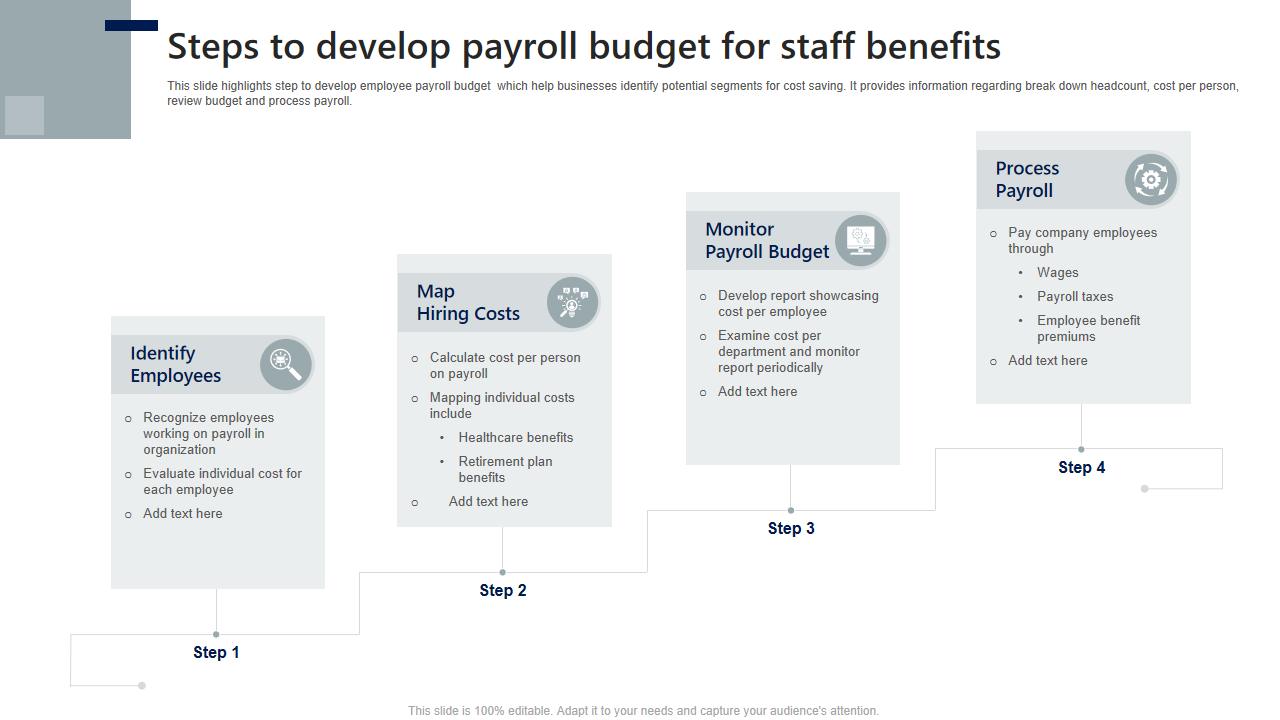
A well-structured payroll budget helps businesses estimate workforce expenses and make informed financial decisions. Here is how businesses can effectively budget for employee costs and payroll.
Budgeting Tips for Employee Costs and Payroll
1. Start With Current Payroll Costs
The first step is to understand what the business currently spends on employees. Review recent payroll records and identify the total cost of wages and salaries.
Consider:
- Full-time and part-time salaries
- Hourly wages
- Overtime payments
- Bonuses and commissions
- Temporary or contract labour
- Payroll-related taxes and contributions
Using actual payroll data as a starting point creates a more realistic budget.
2. Account for Employee Benefits
Employee costs extend beyond basic wages. Depending on the business and location, benefits may represent a significant part of total compensation. The payroll budget may need to include costs such as health benefits, retirement contributions, paid leave, allowances, and other employee perks.
Businesses should review existing benefit costs and consider whether changes in employee numbers or benefit rates could affect the upcoming budget.
3. Plan for Payroll Taxes and Contributions
Employers may have payroll-related taxes, statutory contributions, or other employment costs in addition to employee wages.
These expenses should be included in the payroll budget rather than treated as unexpected costs. Using current rates and accounting for anticipated changes can help businesses estimate their overall employment expenses more accurately.
4. Consider Overtime and Variable Pay
Employee costs can fluctuate from one pay period to another. Overtime, commissions, bonuses, and seasonal work can all increase payroll expenses. Businesses should review historical trends to determine when additional labour costs are most likely to occur. For example, a company experiencing higher demand during certain months may need to budget for additional overtime or temporary employees.
Including these variable expenses in the budget can reduce the risk of unexpected cash flow pressure.
5. Budget for Future Hiring
Businesses should also consider planned recruitment. If the organization expects to hire new employees, estimate the costs associated with each position.
These may include:
- Salary or hourly wages
- Employer payroll costs
- Benefits
- Recruitment fees
- Equipment
- Software
- Training and onboarding
It is useful to include the expected start date when calculating the impact of a new hire on the annual budget.
6. Include Training and Development Costs
Employee development can also affect the workforce budget. Training courses, certifications, conferences, workshops, and professional development programmes may require additional spending.
Planning these costs allows businesses to support employee development without disrupting other financial priorities.
Conclusion
Budgeting for employee costs requires more than estimating salaries. Businesses should consider wages, payroll taxes, benefits, overtime, bonuses, recruitment, training, and future workforce changes.
By reviewing historical payroll data, planning for variable expenses, and regularly comparing actual costs with forecasts, businesses can create a more reliable payroll budget. This approach can improve financial visibility, support better workforce decisions, and help protect business cash flow.